

2026.02.12
SHARE:


Goldwin Play Earth Fund PORTFOLIO INTRODUCTION
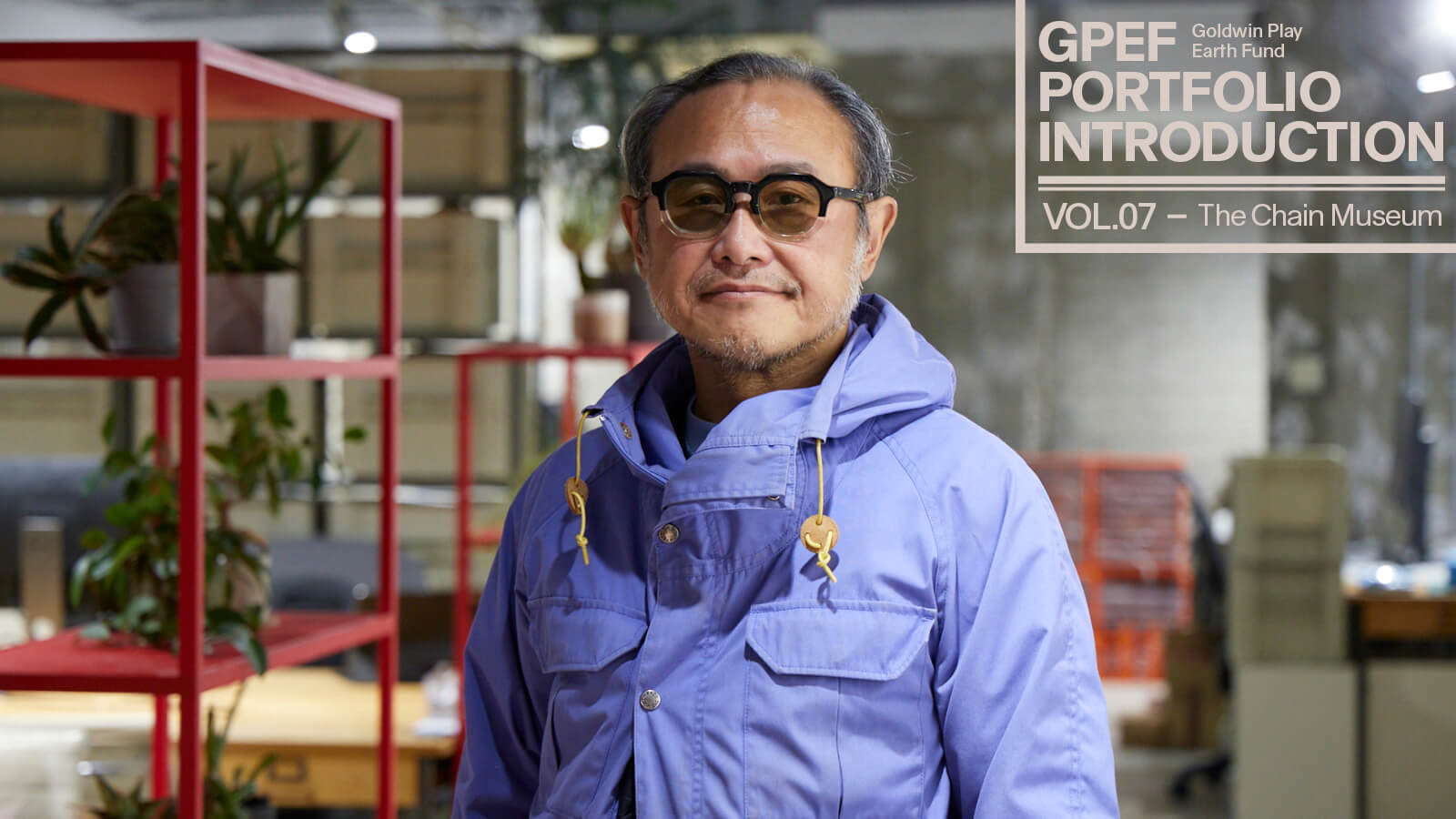
Vol.7The Chain Museum
We asked him about ArtSticker, one of Japan’s largest online art platforms, and its vision of a “transparent market” that transcends existing frameworks, along with insights into living by one’s own purpose in the age of AI.
Soup Stock Tokyo Began with a Solo Exhibition Nobody Expected.
ー Before we talk about The Chain Museum, there’s one question that naturally comes to mind: why art? Because for many people, you are best known as the founder of Soup Stock Tokyo.
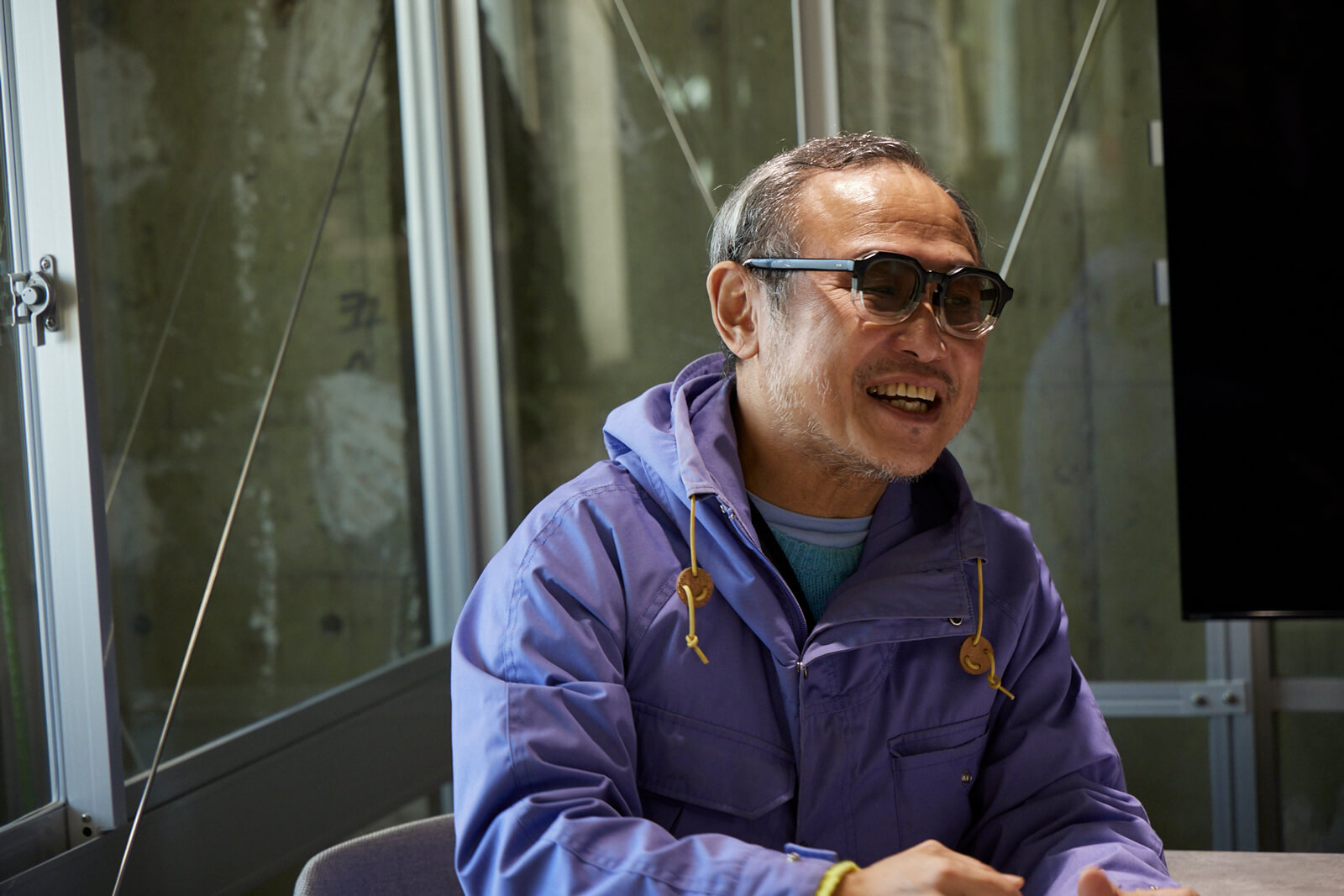
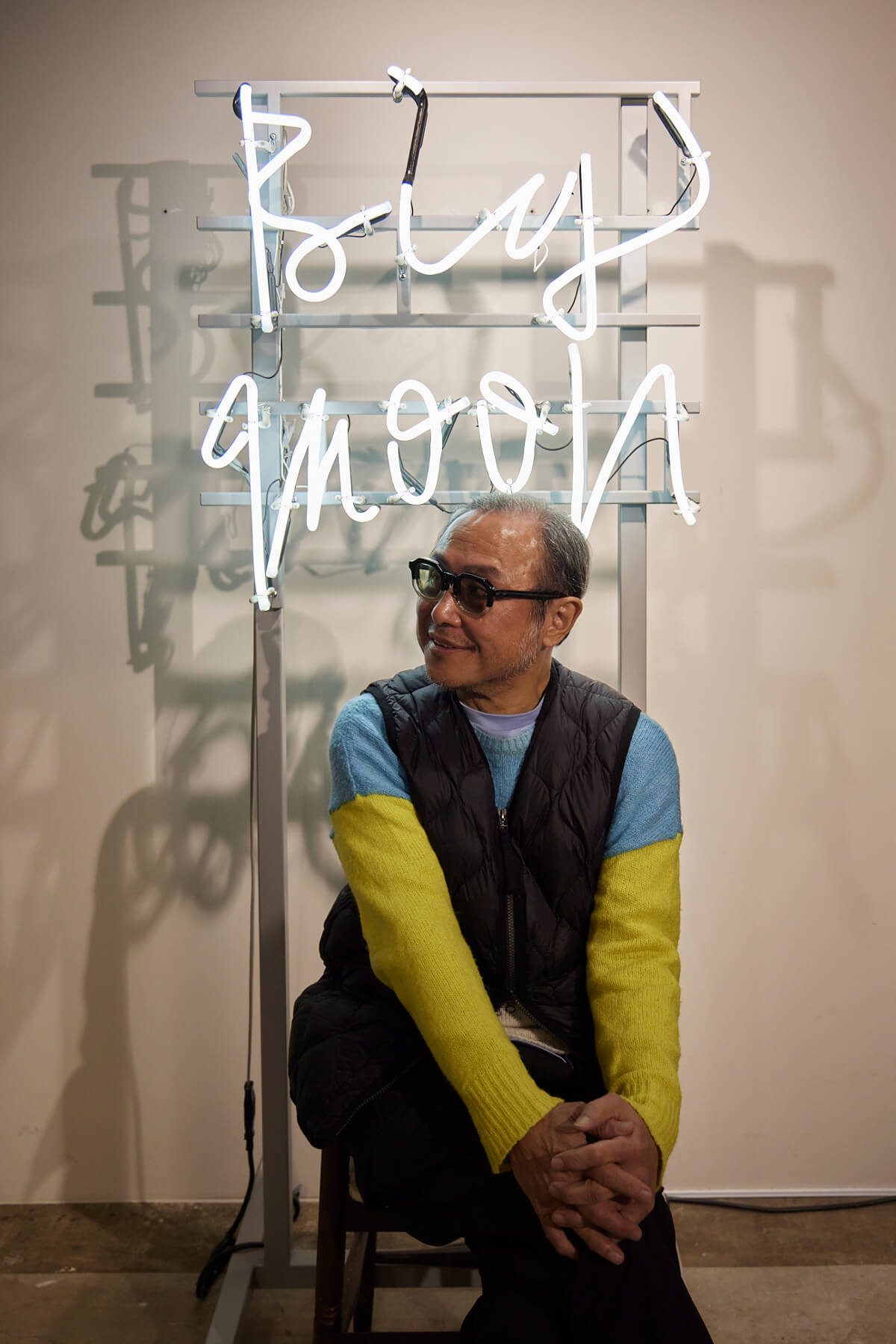
Toyama:Let me start by talking a little about myself. When people ask why art, the answer is that since entering the working world, art has, in the end, become the central axis of my life. In every sense, and across all my activities, art has consistently been the catalyst for turning points in my life. As a matter of fact, when I was a student, I drew illustrations, and one of them was featured in a magazine. That experience boosted my confidence and planted the seed of art within me. Then, about ten years after joining a trading company, I realized that if I stayed on that path all the way to retirement, I wouldn’t be satisfied. So, at the age of 33, I decided to try holding a solo exhibition. The thing is, at that time, I hadn’t painted a single picture. I had never even experienced drawing without being asked or without any particular purpose. Without fully realizing that, I went ahead and decided, “I’ll hold a solo exhibition.”
ー That’s quite a bold decision.
Toyama:I ultimately created about 70 works and exhibited them at Hillside Terrace in Daikanyama. Looking back, I realize I did something almost unthinkable. At the time, I didn’t understand what I was doing. Yet that series of “misunderstandings” turned out to be a good thing. The insights I gained there went on to shape the values that Smiles (the company behind Soup Stock Tokyo which Toyama leads as CEO) holds dear: the importance of “unsought work” and approaching things as something deeply personal, rather than someone else’s responsibility.
ー So that experience became the foundation of your current business.
Toyama:Yes. I came to believe that initiating an idea and giving it form is the same, whether it’s a solo exhibition or a business. That realization made me want to start a business of my own. So I requested a temporary transfer to our subsidiary, Kentucky Fried Chicken Japan. While I was there, an image came to me of a woman finding comfort in a bowl of soup, which led me to propose the idea of a soup restaurant. At the presentation, I brought a canvas with a soup logo I had designed myself attached to it. To me, Soup Stock Tokyo was a work of art.
A Leading Platform in Japan, Defined by Originality and Transparency
ー Could you tell us again what kind of service ArtSticker, developed by The Chain Museum, actually is?
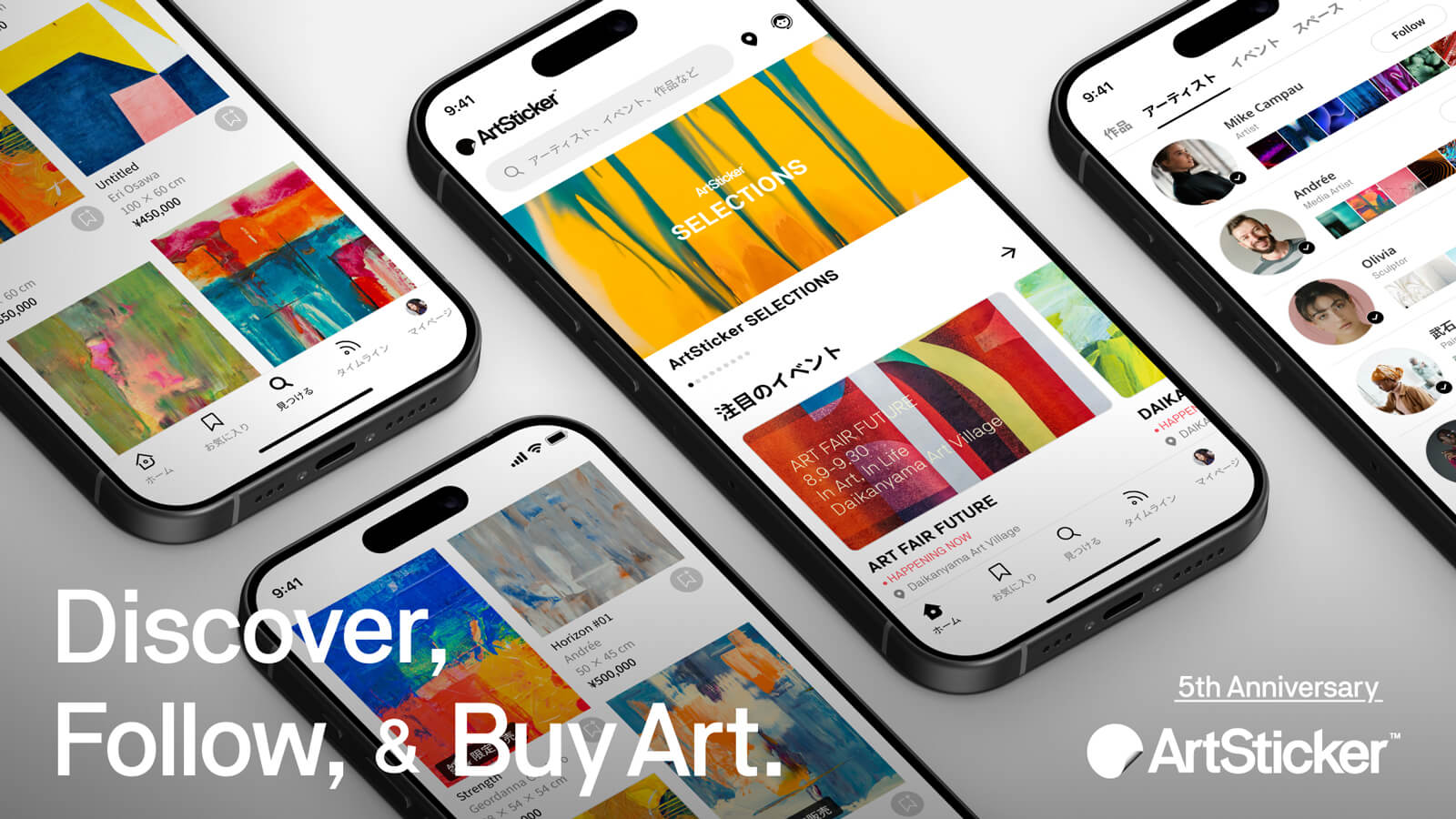
Toyama:In short, it’s a digital platform for art. It offers art-related news, ticketing for exhibitions and art festivals, and even a GPS-linked map function. For example, when you open the app while you’re out in the city, it instantly shows you what exhibitions are currently taking place nearby. The most immediately understandable feature is its e-commerce offering. At present, the platform has around 300,000 users and more than 3,000 registered artists. In terms of contemporary art platforms, it’s one of the largest in Japan. What distinguishes us is that we don’t work exclusively with artists represented by specific galleries. Instead, we collaborate openly and on equal footing with a wide and diverse range of artists and galleries.
ー We understand that ArtSticker has more than 3,000 registered artists. Is there a screening process involved?
Toyama:Yes. As professionals, we take the screening process seriously. That’s because we want to work with the artists who join us over the long term. Also, we value transparency. Even today, the art world has some gray-area practices, such as prices not being disclosed or payments being made months later. In contrast, we operate like a very “clean” company: we close our books at the end of each month, pay artists the following month, and make our prices fully transparent.
ー You’ve also mentioned that you want to further enhance the portfolio function for artists.
Toyama:Yes. Instead of artists creating their own personal websites, we want ArtSticker to function as a place where they can archive all of their works and interviews. Our aim is to ensure that when someone searches for an artist, their profile on ArtSticker appears at the very top. In that sense, we’re working towards something like a “Wikipedia for art” — an indispensable asset for both artists and their supporters.
ー Could you tell us about the price range of artworks sold through your e-commerce platform?
Toyama:To put it in deliberately business-oriented terms, the average price of our best-selling works is around ¥100,000. While we do offer higher-priced pieces, our range spans everything from highly accessible price points for first-time art buyers to more premium works. ArtSticker has an exceptionally wide entry point, with multiple ways to engage. And because it’s digital, users can discover artworks through a wide variety of perspectives and paths.
ー With works available at entry-level price points and a high degree of transparency, ArtSticker helps break the preconceived notion that “art is expensive,” doesn’t it?
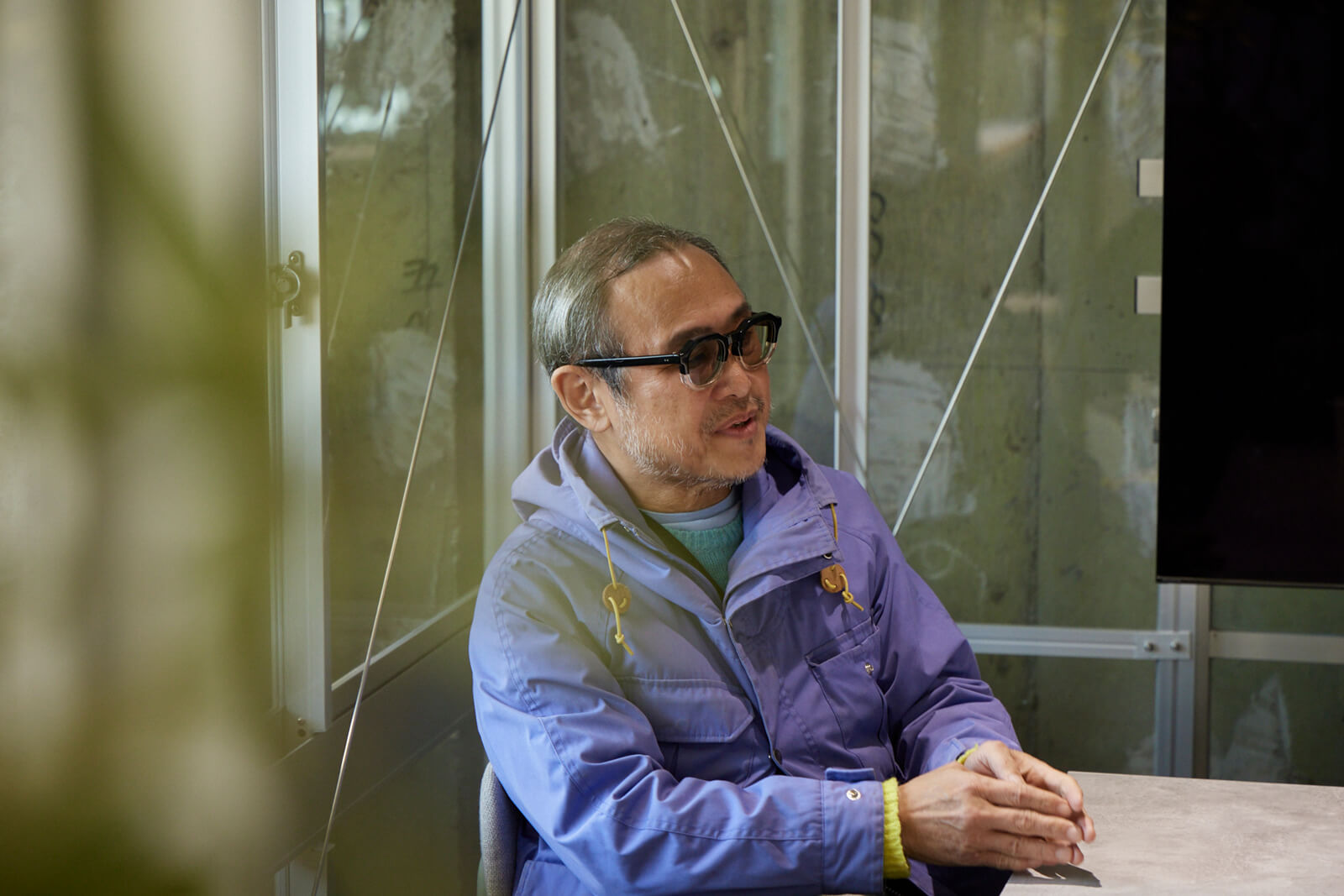
Toyama:Yes. We entered the industry relatively late, so doing things the same way as everyone else simply wouldn’t make sense. That’s precisely why we place such importance on maintaining this unique position. For example, when someone overseas becomes interested in Japanese artists and contacts a specific gallery, they’re often introduced to only about 15 artists represented by that gallery, and that’s where the process ends. In contrast, we have over 3,000 registered artists and maintain open, equal-footing relationships with many galleries. This means a single point of access through ArtSticker provides entry to an enormous range of options. This flat, expansive reach is exactly where our strength lies.
ー It’s truly like a hub connecting Japanese and global art.
Toyama:Exactly. Since we operate with a global perspective as an e-commerce platform, we of course support multiple languages, and recently we’ve added dollar-based payments. When users access the site from overseas, prices are automatically displayed in dollars. As a digital platform, ArtSticker transcends national borders and the frameworks of traditional galleries, continually widening the ways users can engage. That is exactly the way we envision the platform and our business.
Four Galleries and Art Rentals for Today’s Offices
ー In addition to your digital platform, you also operate multiple physical galleries, don’t you?
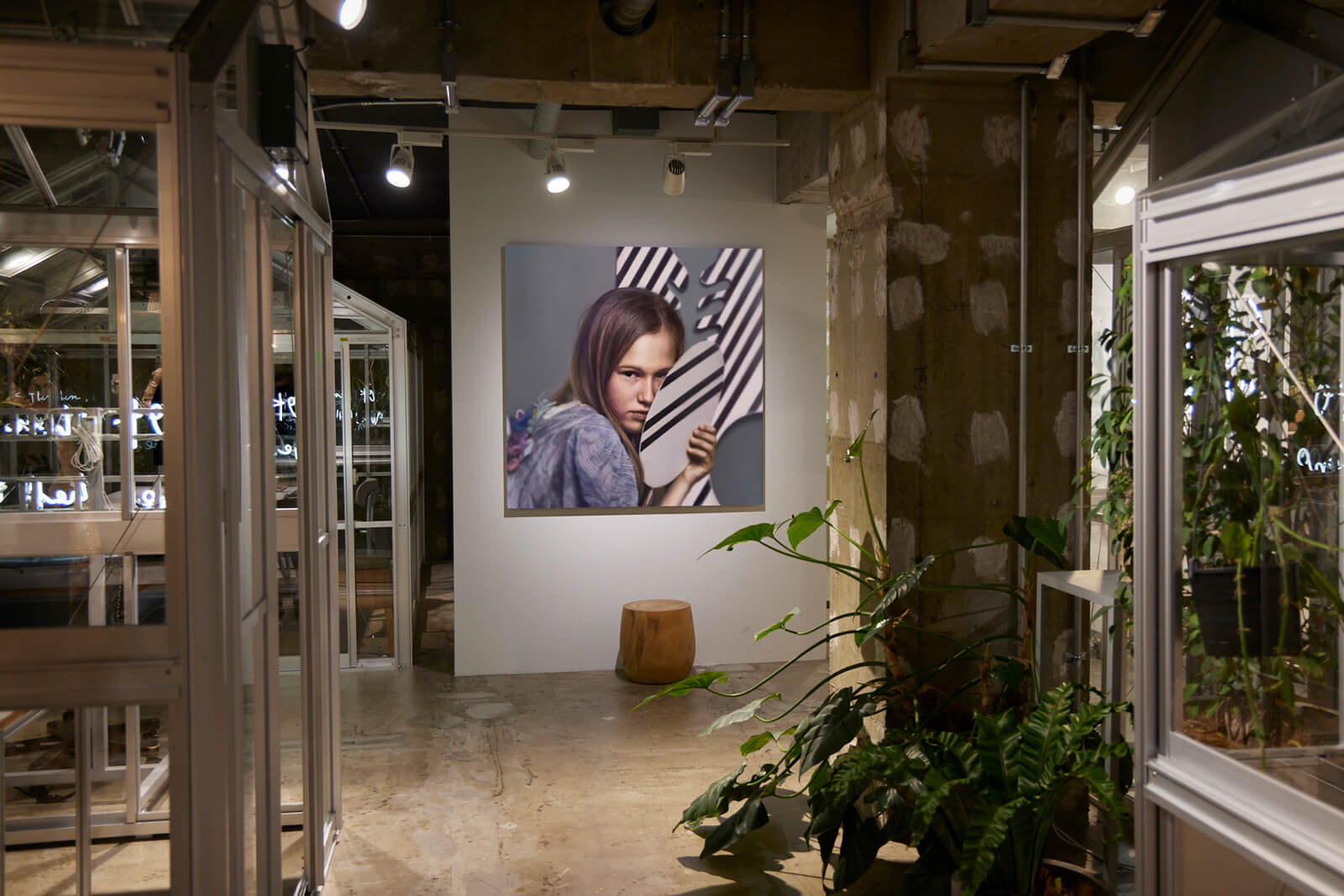
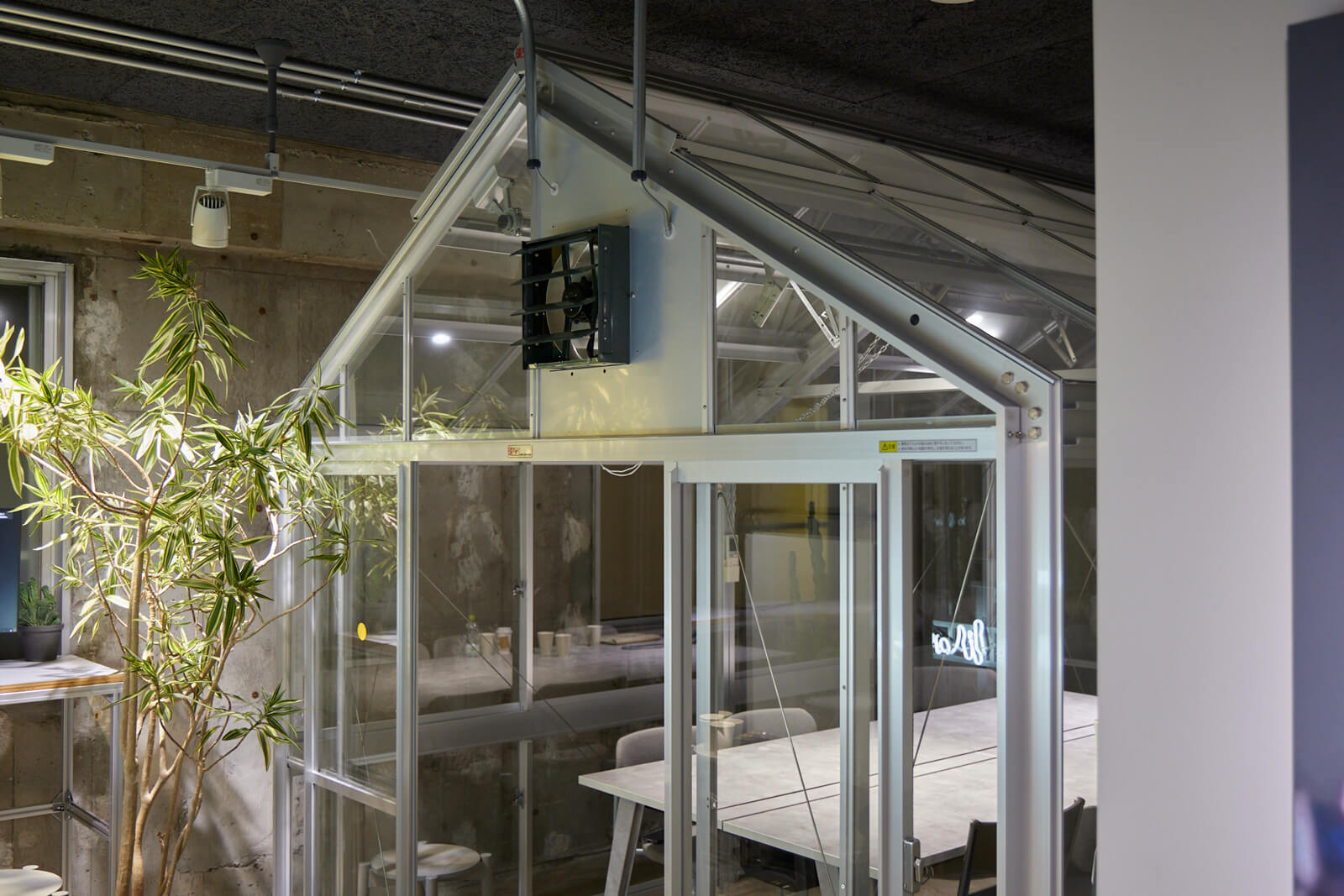
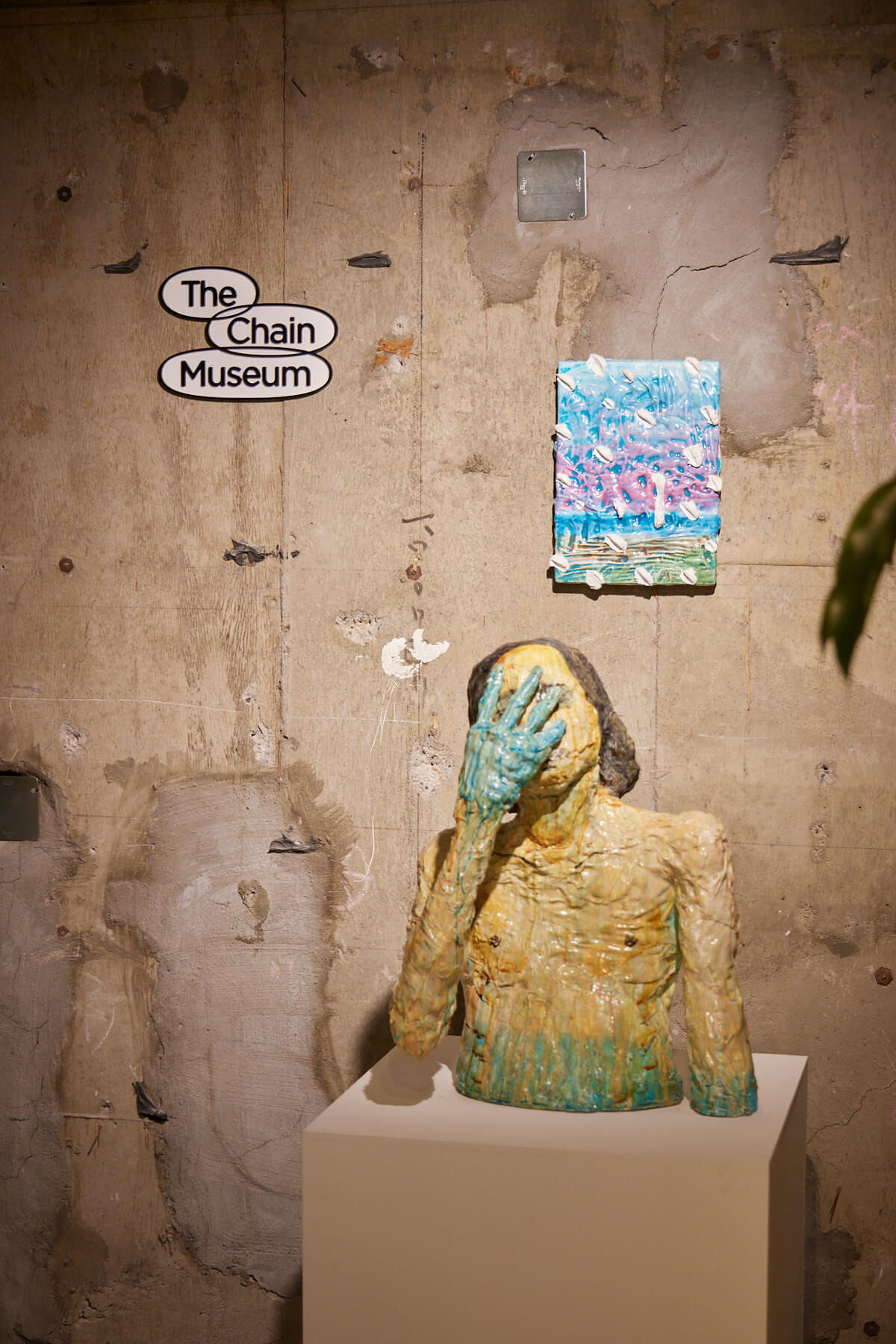
Toyama:Exactly. Relying solely on digital cannot satisfy the desire to see the actual works in person. Currently, we operate four galleries- each with its own unique character- in Asakusa, Roppongi, Azabudai Hills, and Kyobashi. However, simply opening a gallery in the usual way wouldn’t be interesting. Since we entered the field later, we wanted to create something that truly reflects our style. In Roppongi, for example, we’ve combined Taiwanese cuisine with art, while in Kyobashi, a gallery shares the same space with a bakery and café operated by THE CITY BAKERY.
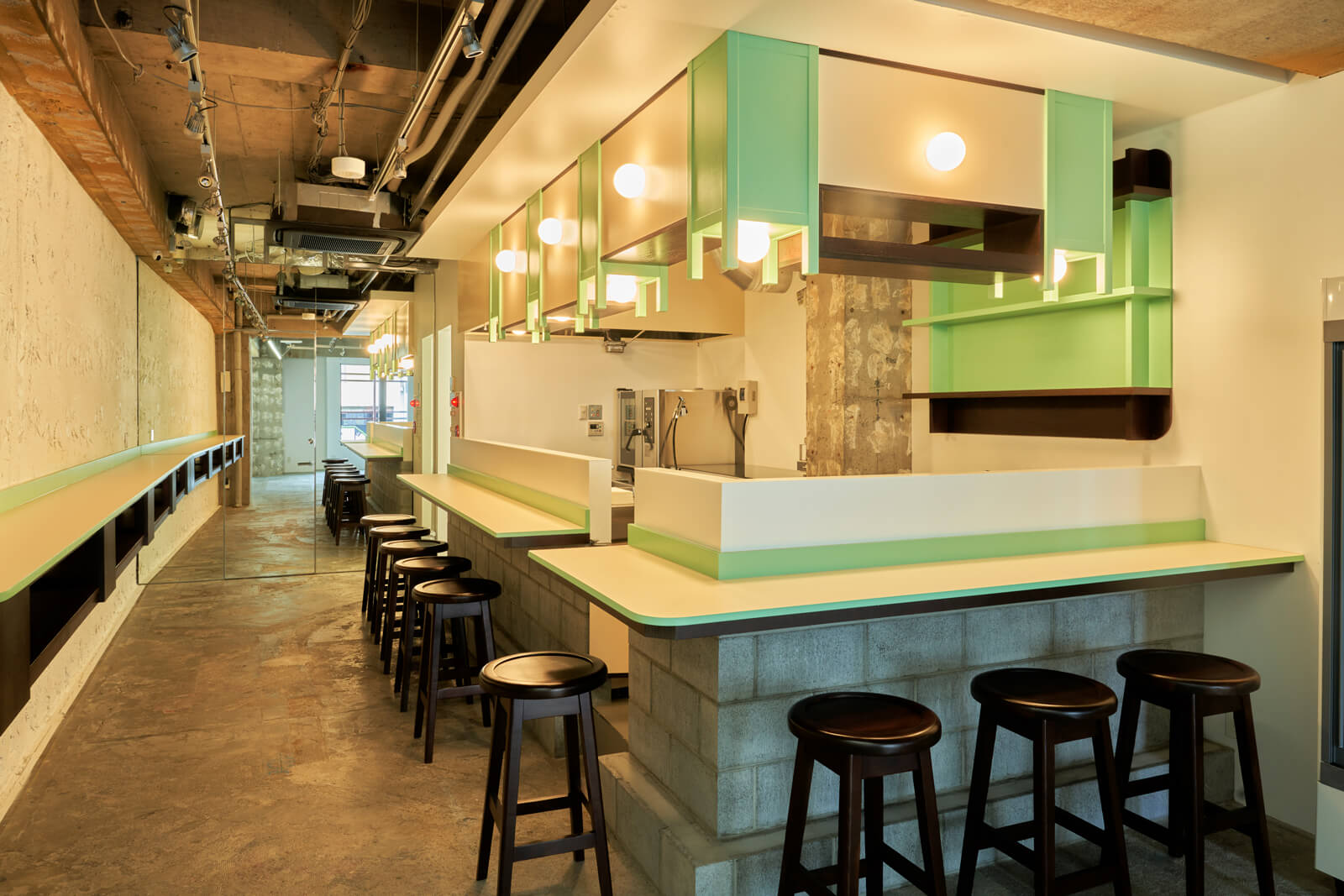
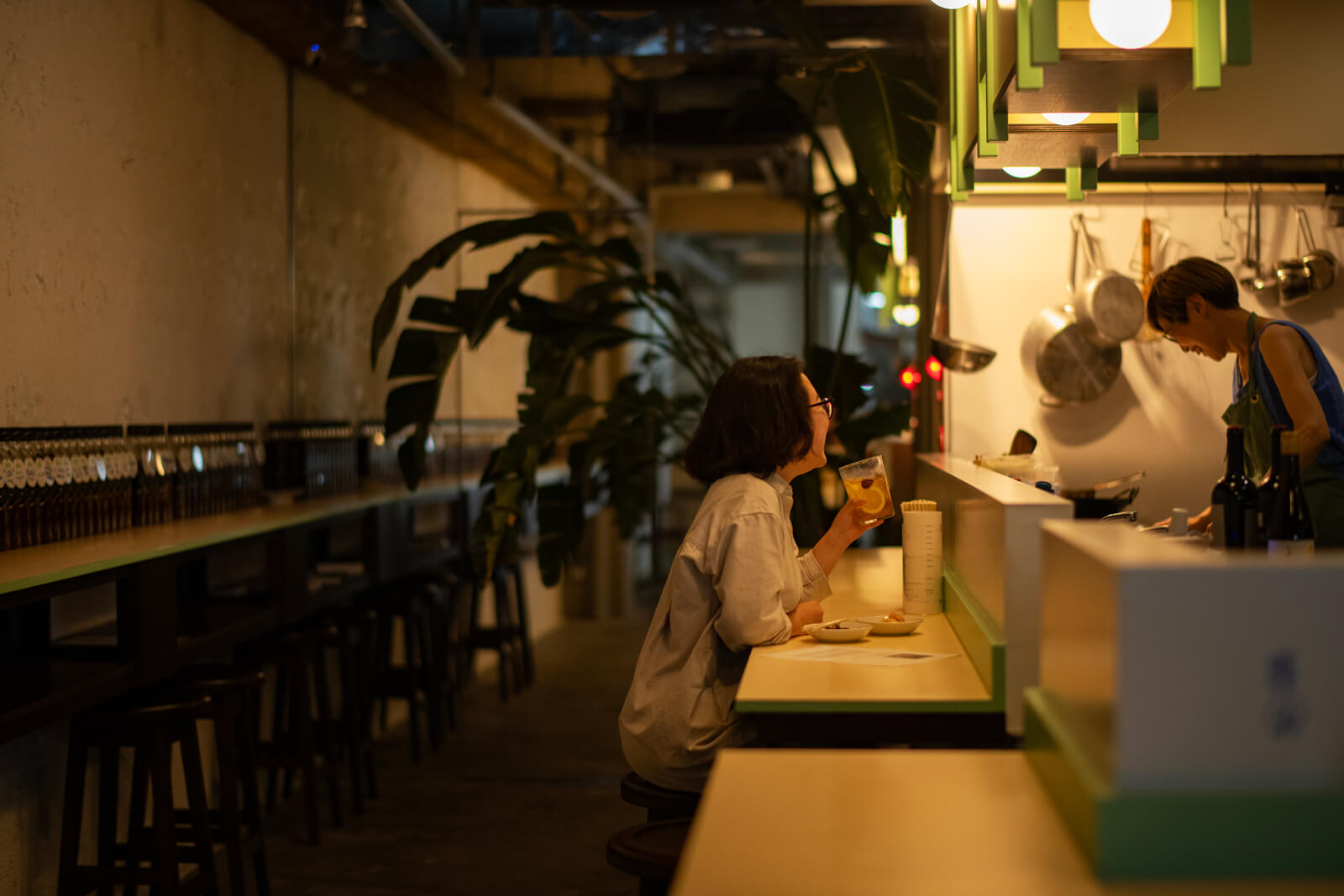
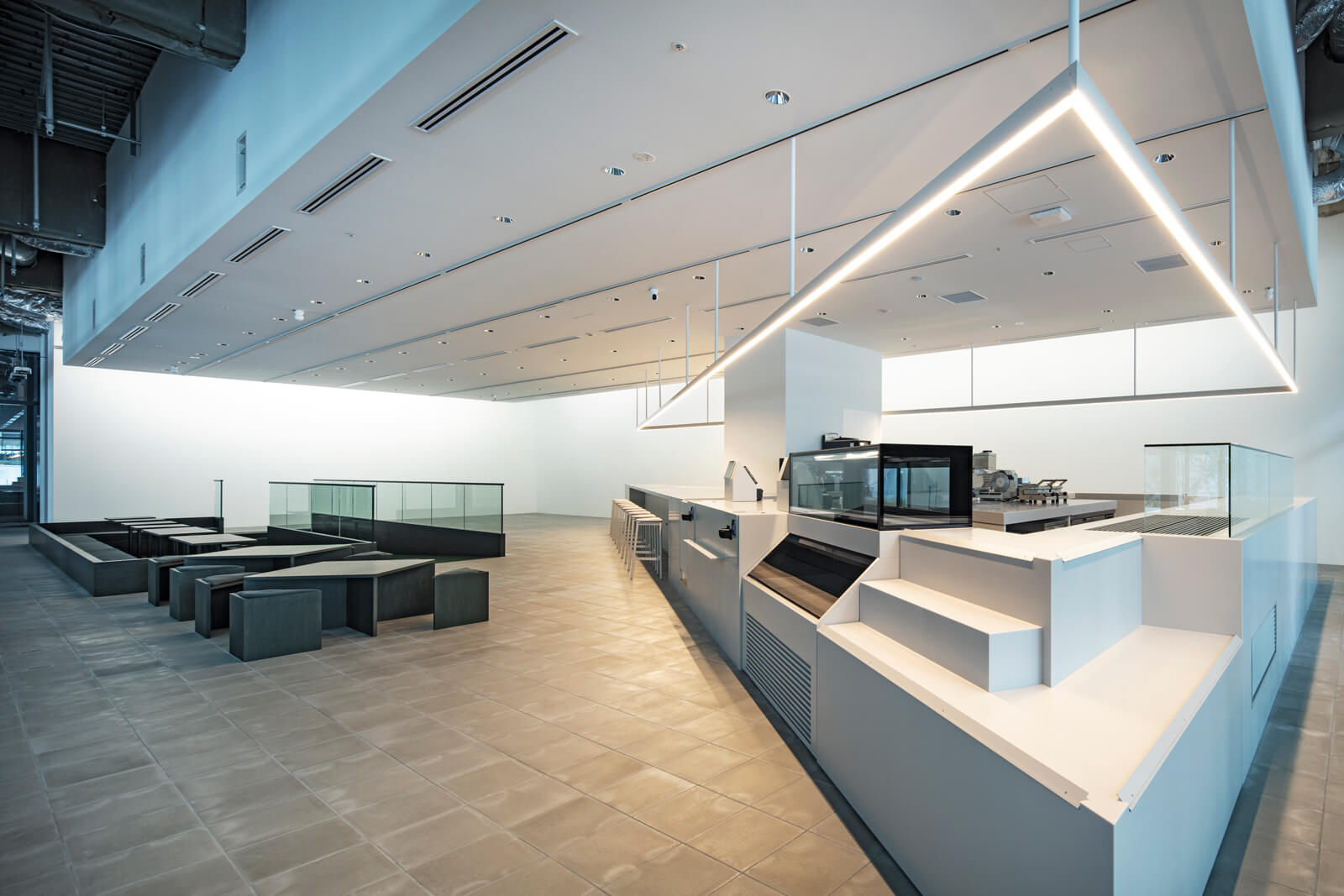
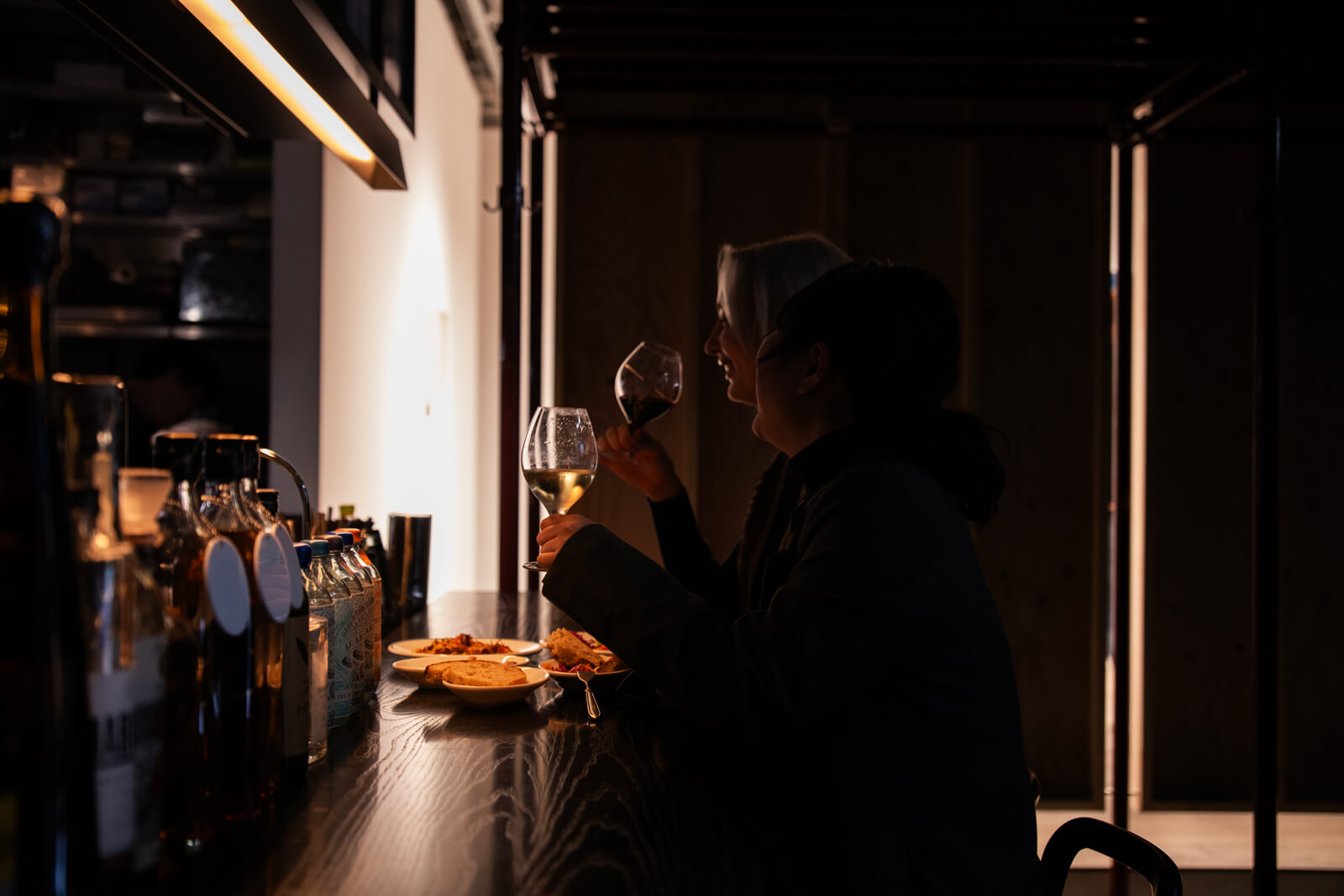
ー So you brought a perspective to the art world that’s unique to someone with a trading company background.
Toyama:Exactly. The art world, while highly specialized, has a unique relationship with business. The academic culture that holds the view “selling art is backward” is important, of course, but it’s equally vital that artworks circulate healthily within the market. Take ticketing, for example. There was a time when cash was the norm, but some museums and galleries have switched to a system where ArtSticker is the sole platform for online reservations—21_21 DESIGN SIGHT and the Tottori Prefectural Museum of Art are examples. Once everything is digital, there’s no need to handle change or balance the register. Having worked in the food service industry, I know how it feels—if the cash drawer doesn’t match the data at closing, you have to count it over and over. It’s a nightmare! (laughs) Moreover, this system allows us to collect data on the types of visitors who come. Audio guides no longer need to be physical devices; visitors can listen on their own smartphones. And when integrated with a map function, it works especially well for art festivals where works are spread across multiple locations. I truly see this as an irreversible trend.
ー Another key aspect is the unique structure of your coordination business.
Toyama: If you mean corporate art rentals, that sector is also growing rapidly. Buying contemporary art can be a high hurdle for companies—who should choose it, and what if the CEO doesn’t like it? That’s why I think rentals are a great option. Companies can incorporate art as a business expense and rotate pieces every six months, keeping their offices constantly fresh. Nowadays, it’s almost expected that offices display art. Even for large companies, our curators propose concepts and coordinate artworks that are best suited to each organization. Of course, we pay rental fees to the artists whose works are borrowed. This provides a steady source of income for artists, addressing the common challenges they face after graduating from art school—no studio space, no storage, no sales. It’s truly a “win-win-win” framework.
ー What motivates companies to display art in their offices?
Toyama:Since the COVID-19 pandemic, I’ve heard that both offices and ways of working are increasingly being designed with a focus on well-being. There’s a certification called the WELL Certification, which recognizes offices that prioritize well-being, and introducing art is a requirement to obtain it.
Looking Ahead: The Future Fueled by Fund Investment
ー For someone like you, who knows both art and business, how do the two merge?
Toyama:I often say, “Art isn’t business, but business is like art.” The ventures I’ve built at Smiles didn’t start with marketing strategies. They began with the impulse of what we wanted to do, and then we shared that with the world. It’s the same process an artist goes through when preparing a solo exhibition. Of course, we’ve had plenty of setbacks along the way. Yet, oddly enough, I rarely think of them as “failures.” For instance, if an artist paints ten pieces, seven sell and three remain unsold, no one calls those three failures. Business works the same way—if you believe in what you’re doing and give it your all, even a loss or a withdrawal isn’t a failure. It’s simply a matter of, “What I love isn’t necessarily what everyone else will love.” That’s all there is to it.
ー In October 2025, you received investment from the Goldwin Play Earth Fund.
Toyama:I feel that Goldwin’s investment in us, as a corporate venture capital (CVC), is looking for more than just financial returns. They’re interested in how art can be integrated into their business and bring about meaningful change. For example, there’s Goldwin’s PLAY EARTH PARK project in Toyama. I love how a publicly listed company is venturing into something as seemingly intangible as “play.” Climbing mountains or running can be compared to art. Just as the famous phrase “Because it’s there” arose in response to the question, “Why do you climb mountains?”, each person’s individual experience isn’t something that can be consumed as a definitive “answer.”
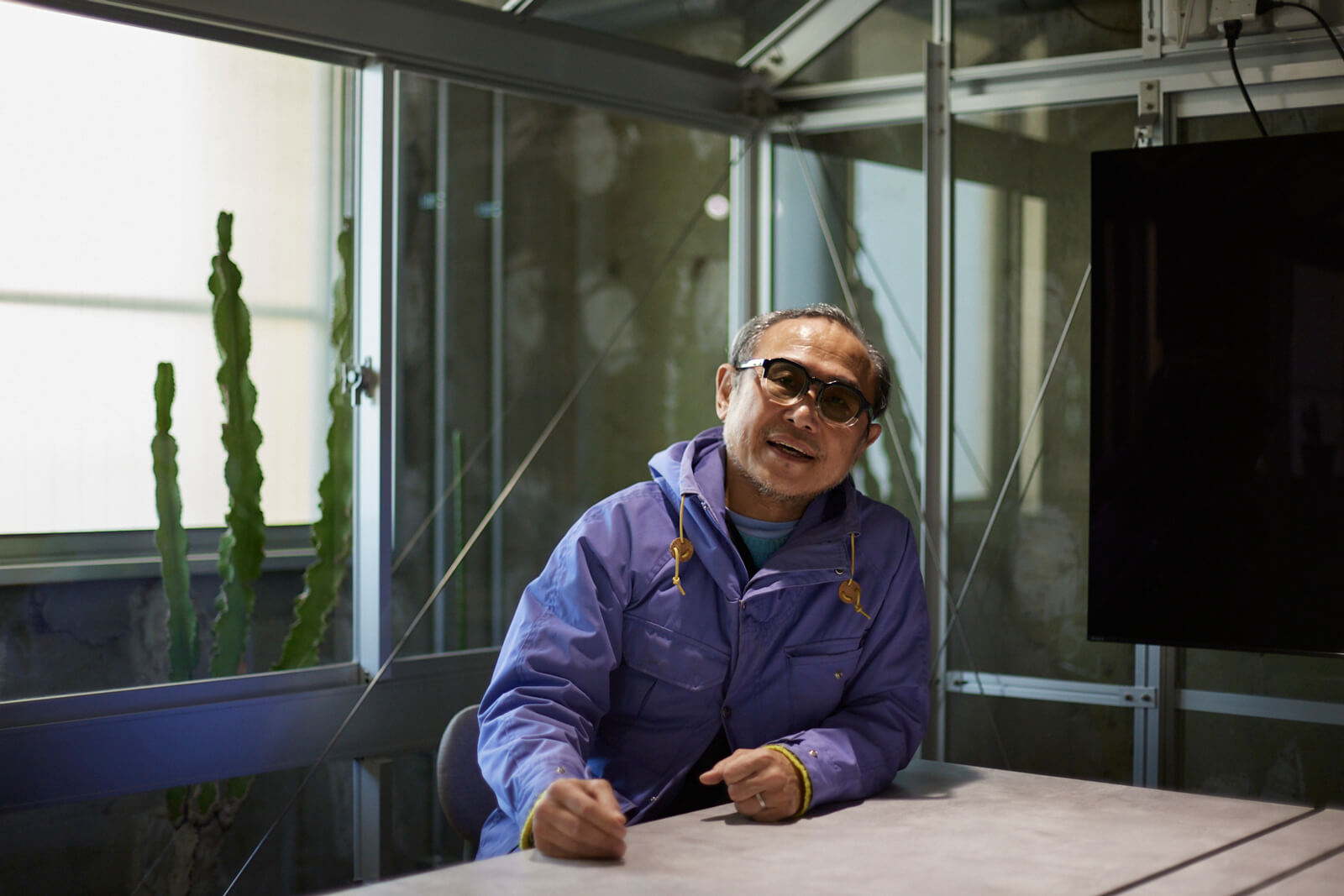
Toyama:Then there’s the question of the value of art in the coming era. Over the past two or three years, AI and robots have advanced with such incredible realism that it naturally makes you ask yourself, “What is the value of a human being?” We businesspeople used to naturally focus on “problem-solving,” but nowadays, AI can handle that for us. That’s why I now define human value as what I call “one’s own purpose”—one’s motivation, curiosities, or, more broadly, how each person actively pursues their own happiness. I believe we’re entering a time when everyone—whether a housewife, a middle school student, or anyone else—needs to consciously discover and embrace their own purpose.
ー So that’s where art can contribute.
Toyama:The mission of The Chain Museum… well, I’m not really into words that sound too polished or perfect. But if I had to sum it up, I’d call it “Art or Life.” The point is, both matter—and neither one alone is quite enough. The idea is to let them complement each other in a meaningful way and step into the next phase. That’s exactly how I feel right now.
ー Is that also the vision The Chain Museum is aiming for?
Toyama:The Chain Museum is built around art, with various elements like e-commerce, galleries, and rentals. Of course, all those business mechanisms are necessary, but simply put, what I hope for is this: that each person can have their own purpose and that we can provide them with a trigger to live their life fully.
ー So, with that vision, what will ArtSticker focus on moving forward?
Toyama:Our focus is on further growing our e-commerce platform and reaching international markets. Global research reports also show that interest in Japanese art from overseas is as high as interest in French art. Access to ArtSticker from overseas now exceeds 10%. We’ve implemented dollar-based payments, creating a space where people around the world can directly engage with young Japanese talent. We’re also receiving many requests to transform spaces and venues. For example, recently we revitalized a unique former quarry area near Utsunomiya as a combined art-and-dining facility, installing permanent works by YOSHIROTTEN. In such spaces, we aim to place art—or even things that might not immediately be recognized as art—to spark small moments of insight and infinitely expand the points of contact between art and people.
Text_Shinri Kobayashi
Photo_Yuya Wada
Translation_Yoko Oyabu
Edit_Shuhei Wakiyama(HOUYHNHNM / Rhino inc.)